Technical guides for cable tray and cable ladder in Indonesia
Straight answers to the questions engineers, EPC contractors and procurement teams ask when they specify cable support systems: sizing, finishes, support spacing and standards.
Installation · 19 October 2026
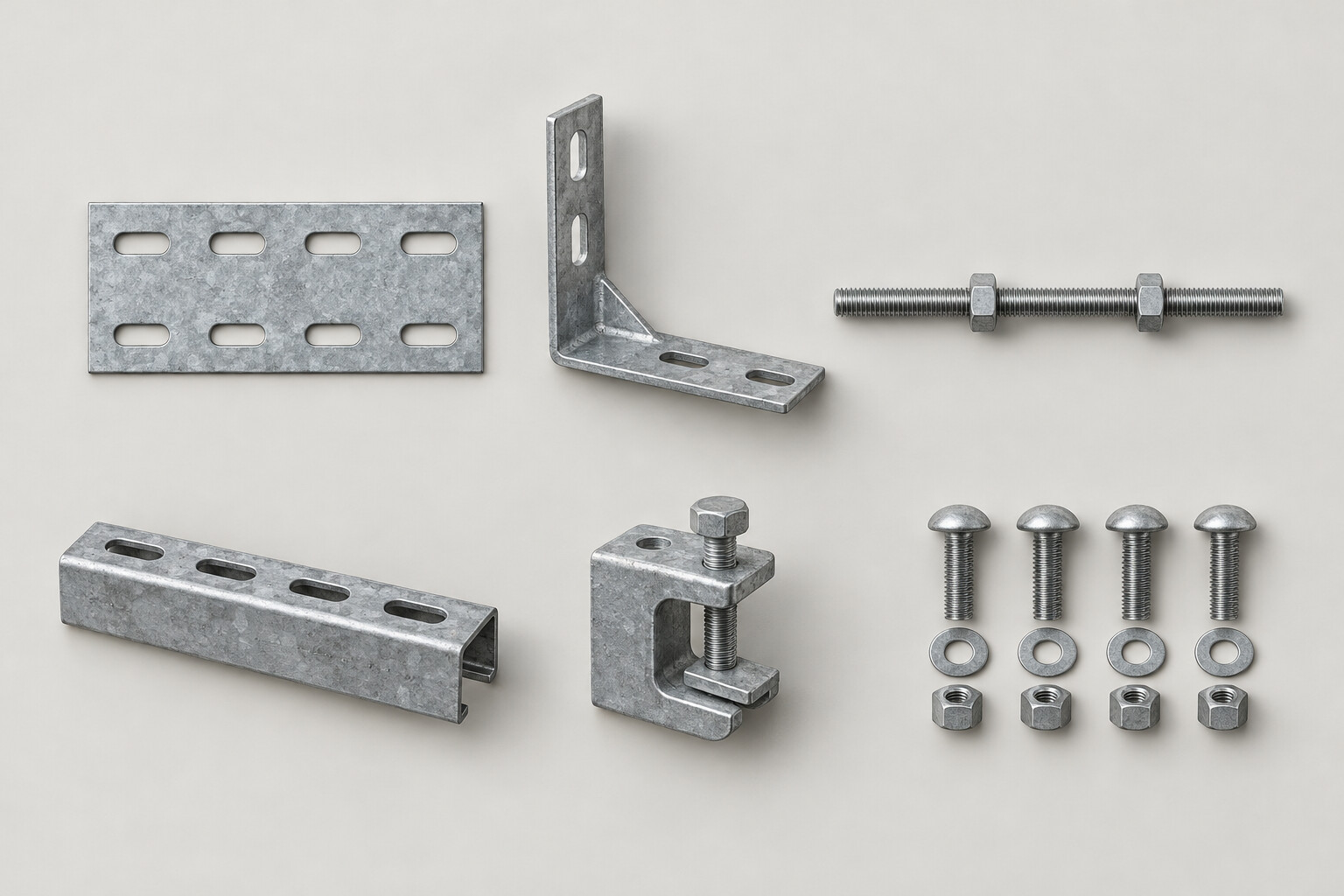
Cable Tray Installation Steps: From Setting Out to Handover
Install cable tray in sequence. Set out the route, fix the supports, lay and splice the tray with join sets, add the fittings, lock and cover the route, then check everything before handover.
Read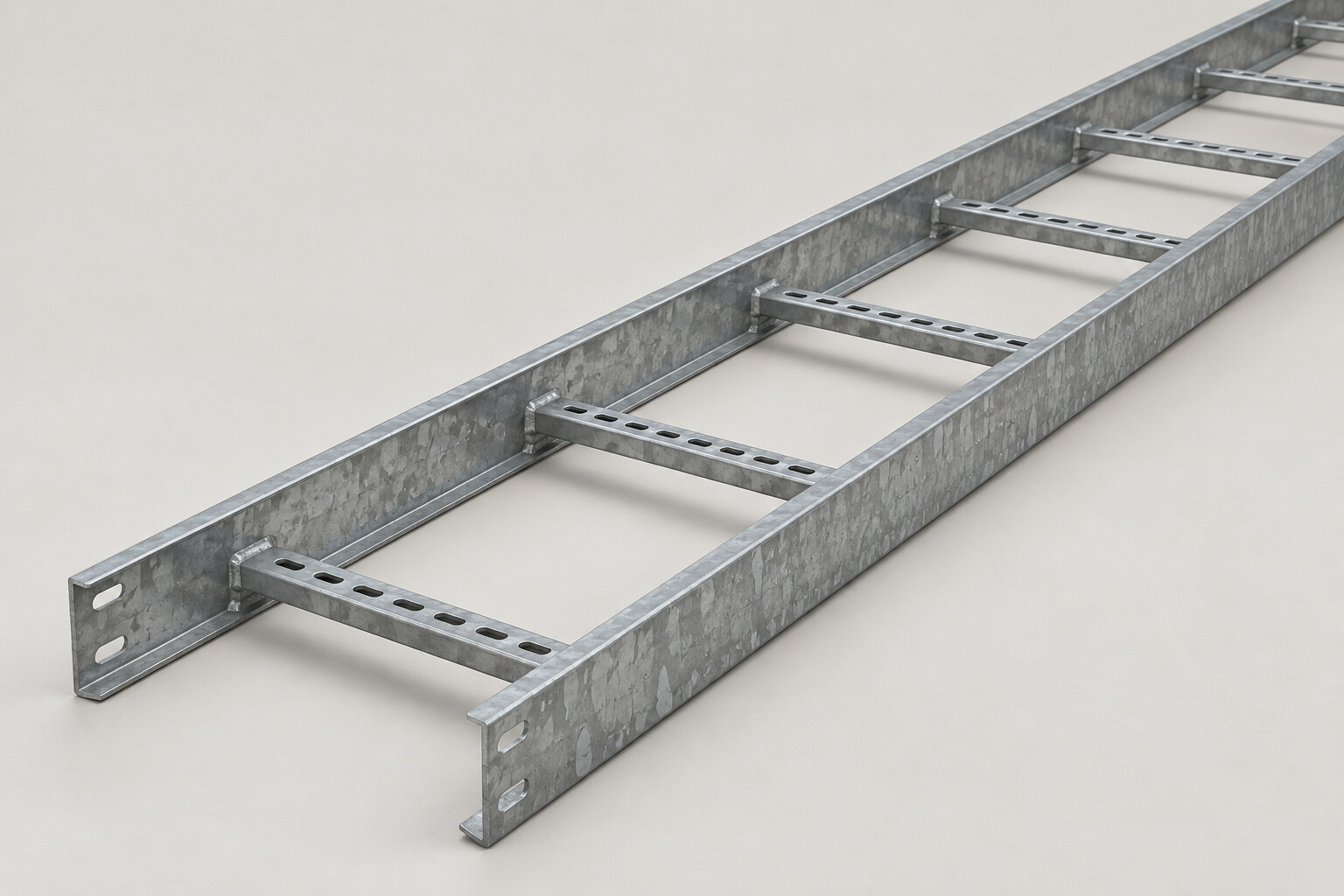
Comparisons · 19 October 2026
Cable Ladder Type W vs Type U: Side Rail Differences and Selection
Type W cable ladder uses a double-folded side rail that is stiffer than the type U rail. Specify type W where power cables are dense and the support spacing cannot be reduced.
Read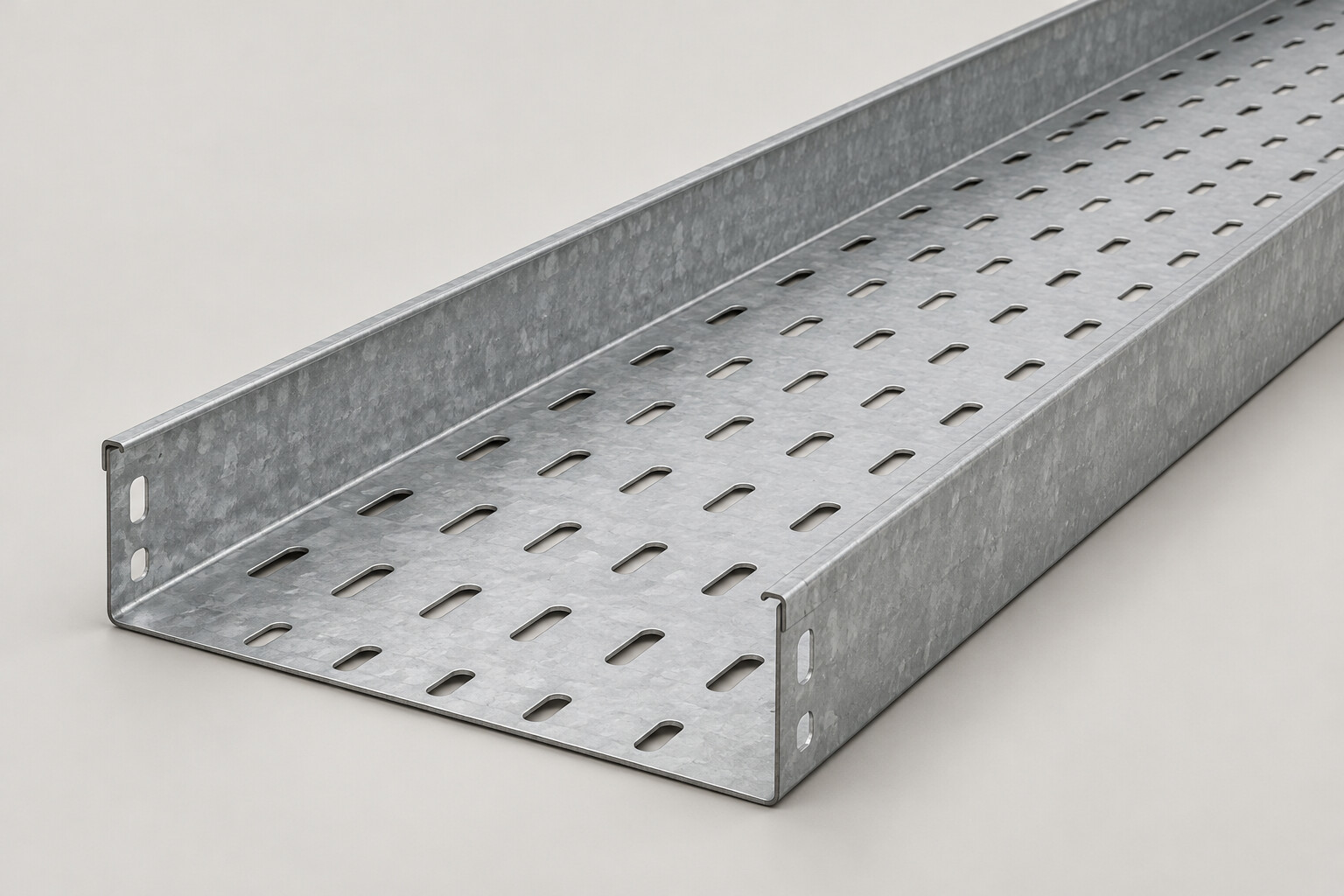
Technical guides · 19 October 2026
NEMA VE 1 for cable tray and cable ladder: load classes explained
NEMA VE 1 is the reference most often written into technical specifications for metal cable tray on Indonesian projects. What it covers and how to read the load classes.
ReadTechnical guides · 19 October 2026
Hot-dip galvanized or electro-galvanized? Choosing a cable tray finish
Hot-dip galvanizing applies a thick zinc coat to every surface after fabrication, electro-galvanizing is thinner and smoother. The wrong choice can leave a tray rusting within a few years.
ReadComparisons · 19 October 2026
Cable tray vs cable ladder: the differences and when to use each
A perforated cable tray has a slotted base that supports cables along the whole run, while a cable ladder has rungs every 300 mm. How to choose by cable diameter, load and support spacing.
ReadComparisons · 19 October 2026
Cable tray type C vs type U: which side wall profile to specify
Both are perforated trays in the same sizes, but the side walls are formed differently. This is how the profile affects stiffness, suitable widths and price level.
ReadInstallation · 19 October 2026
Cable tray support spacing: how far apart should hangers be?
Support spacing decides deflection, safety and the amount of support material. Typical hanger spacing for cable tray and cable ladder, plus the rules at joints, bends and risers.
ReadTechnical guides · 19 October 2026
How to size a cable tray from the number of cables
A simple method to calculate cable tray width from cable diameters and quantities, with a worked example and the fill ratios commonly used.
ReadInstallation · 19 October 2026
Cable tray accessories and fittings: what each part does
From join sets to hold-down clamps, the components you need to install one cable tray route, and how to count them for a BOQ.
ReadComparisons · 19 October 2026
Cable duct (trunking) or cable tray? Differences and how to choose
Cable duct is fully enclosed with no holes, cable tray is perforated and open. Protection goes up with a duct, but heat dissipation goes down. Here is what to take into account.
ReadSend us your BOQ and we will prepare the quotation.
- 01
Send your requirements
A BOQ, layout drawings, site photos, or simply a list of sizes.
- 02
Receive a complete quotation
Straight sections, fittings, supports, clamps and bolts in one document, with the delivery cost.
- 03
Delivered to your site
Bundled by size and shipped from Bekasi to match your project schedule.
Fast replies during business hours · Monday to Friday 08:00 to 17:00, Saturday 08:00 to 13:00 (WIB, UTC+7)
Chat on WhatsApp nowOr fill in the short form
Once it is sent, you can continue straight to WhatsApp to share your BOQ file.